Tag: Netflix

  • How did this streaming experience get made?

    How did this streaming experience get made?

    Early in the 18th century, an English poet wrote advice on how to tactfully correct someone. It still holds up today.

    Men should be taught
    As if you taught them not
    With things unknown
    Proposed as things forgot

    — Alexander Pope

    I was reminded of this wisdom when I was renting a film on YouTube. It was brilliantly optimized to suggest something, as if I had forgotten, to start the rental period. 

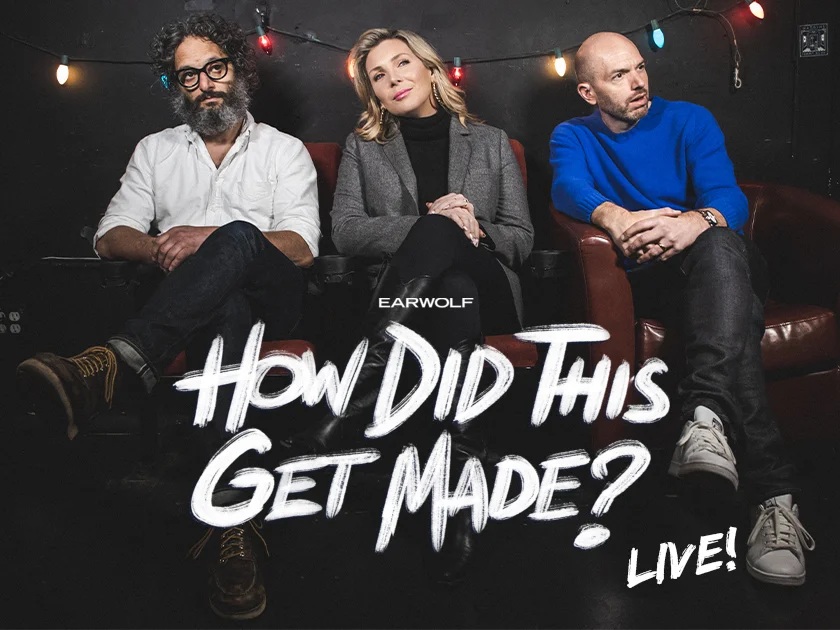
    Don’t judge me harshly on my film choice, shown on the image below. This terrible action comedy from 2020 was an “assignment” as a loyal listener to the long-running podcast How Did This Get Made?, with improvisational actors Paul Scheer, Jason Mantzoukas and June Diane Raphael, most recently of Elle fame (she plays the mom). They roast bad movies.
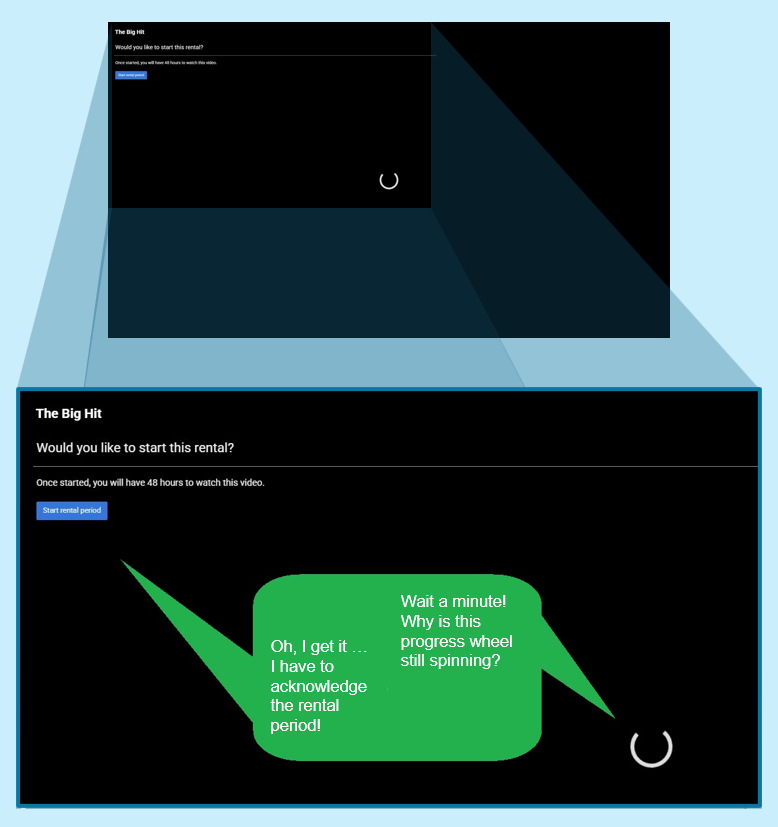
    I imagine that there were many A/B/n tests behind this final user experience, with the goal for optimization being what has to be the most costly part of renting steaming films: How do we reduce the number of complaints from users who don’t remember agreeing to our rental duration? I say there was much testing involved, because the solution is so elegant!

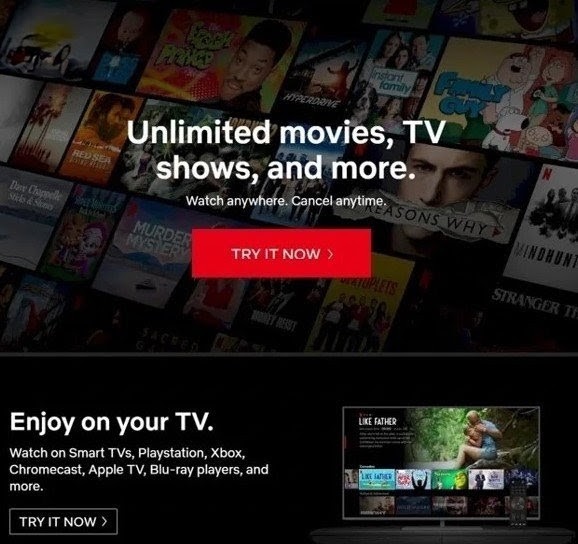
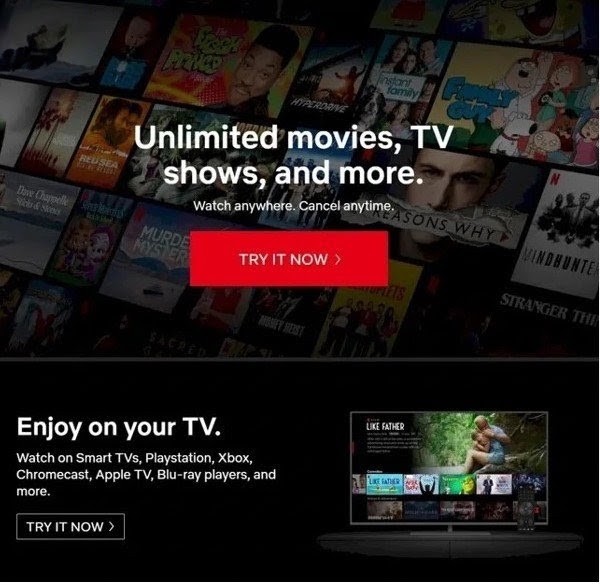
    Netflix Sign-up Buttons

    Another test from the world of streaming media is one I’ve included in an A/B testing and personalization quiz. The quiz helps me illustrate to my audiences why the cognitive biases we all possess necessitate scientific testing.

    We cannot guess our way to the best user experiences!

    It’s a cellphone-based quiz where folks are shown two or three options and they have to vote in real time which is the winner, based on randomized controlled experiments in platforms like Adobe’s Customer Journey Optimizer.

    My quiz content is from the excellent GoodUI.org (subscription required). 

    I call the quiz How Good Is Your Gut? Of the hundreds who have participated in the quiz, no one has guessed correctly more than 50% the time, which is a great a way to demonstration how important testing is to optimize outcomes.

    Feel free to take your best shot in the embedded quiz, from these three button options tested:
    When you take the quiz, you’ll be shown the cumulative results from all of the times I’ve conducted it.

    Netflix Test

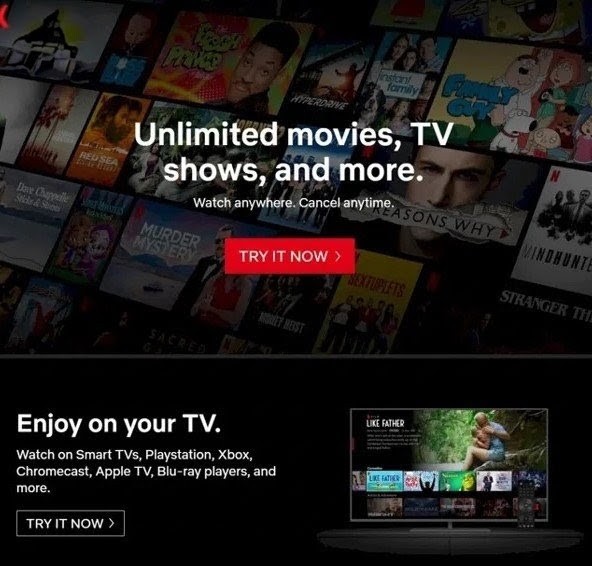
    Netflix ran a test on their sign-up button. Take a guess — which button size improved clicks and sign-ups?

    Here’s how everyone answered:

    • Small Button
    • Medium Button Correct Answer
    • Large Button

    The next time you’re renting media and are impressed with the friction free experience (or not … I’m looking at you, Hulu!), remember there was a ton of behavioral science behind what you’re experiencing!

  • Netflix and Amazon customers are zooming past an inflection point

    An inflection point is a term from calculus. It’s a place where a charted curve changes direction. Inflection points make interesting charts. They can also be harrowing for passengers zooming along the curve, hanging on for dear life. Just ask today’s struggling newspapers, publishing houses and record labels. Many would tell you that passing an inflection point is as fun as passing a kidney stone, only it takes longer. But the worst of a harrowing ride may be close to over.

    At least for two industries, we may finally be rounding the midway point between mostly analog and mostly digital.

    Let’s start with Netflix. I was struck earlier this year to learn that a majority of all Netflix subscribers have streamed at least some content online within the month. This is huge.

    True, the delivery of DVDs to customers’ mailboxes is already partly digital. The first “D” in DVD is “Digital.” But reliance on the U.S. Postal Service to deliver those digital packages is fraught with expense and inefficiency; Expensive, because —  to quote Jeff Jarvis — atoms are a drag. And inefficient, because you need a physical warehouse of disks. Only a finite number  of people can watch the same film on the same day.

    Then, earlier this week, I read that Amazon is now selling more e-books than hardcovers. The speed of this shift to reading on Kindles, iPads and other e-readers is a surprise even to those who should know better. Amazon says they now sell 180 e-books for every 100 hardcover books. A few months ago it was only 143 for every 100!

    This is even more astonishing when you take into account that, according this New York Times article, “Amazon has 630,000 Kindle books, a small fraction of the millions of books sold on the site.”

    Change is painful. But the worst pain is cyclical.

    Sometimes it feels like the world is racing to a terrible future — similar to the ancient world maps where waters on the outer fringes had sober warnings of sea monsters. But at least from a cultural / technological perspective, call me an optimist. (I don’t speak here of the world’s geopolitical or ecological fate, and don’t get me started!)

    I believe the voyage around this and similar inflection points is taking us to a pretty cool place. We just need to hold on tight and be prepared when we hit land. The other side of this curve will be as brimming with opportunity as it is different from the world we know now.

  • Netflix understands the strong ROI of improved customer satisfaction

    After three years, the Netflix Prize competition is coming to a triumphant close. This is where the online DVD rental company offered a $1 million reward to anyone who could improve its flawed Cinematch recommendation engine by at least 10 percent. Back when it started, I suggested one novel way that a competing team might improve results (hire a philosopher). We may never know all of the tricks employed by the likely winners.

    And who might these winners be? A little over a week ago, the team called “BellKor’s Pragmatic Chaos” delivered a 10.05% improvement. The Netflix Prize competition has now declared “last call.” The other teams have thirty days to improve on the winning algorithm.

    Two things strike me about this competition. The first is how difficult it is to predict our tastes in films. I’m frankly amazed that anyone is taking the prize. (Remember, teams have been trying for three solid years!)

    The second and more important take-away is this: You can never be content with your present efforts to satisfy customers. They can always be improved — and they should be improved. Even when the cost is surprisingly steep.